
"branches and leaves"
1000 article(s) found

Kaddura Micro-batch Flavor and taste characteristics of Colombian Coffee Bean
Kaddura micro-batch flavor and taste characteristics of Colombian coffee beans the world coffee is divided into two series, one is the hard coffee represented by Brazil, which has a strong flavor, and the other is the soft coffee represented by Colombia, which has a light flavor. The difference lies in the altitude of the producing area and the method of planting. Coffee is grown extensively in hilly red soil in Brazil and in Colombia.

On the planting and picking of coffee trees
One of the characteristics of a coffee tree is that its fruit can bear fruit several times a year, and another is that flowers and fruits coexist at different stages of ripening. If the fruit is too ripe, the beans in it will rot. If the beans are not ripe, the beans will not ripen by themselves. So bean pickers often go through the same tree several times to find ripe fruit, but try their best.

Introduction of Colombian coffee bean flavor description grinding scale variety production area treatment manor
Colombian Coffee Bean Flavor description Grinding scale Variety production area treatment manor introduction Colombian coffee is mainly small-grain coffee. Plants are small trees or large shrubs, 5-8 m tall, usually much branched at base; old branches gray-white, nodes dilated, young branches glabrous, compressed. Leaves thinly leathery, ovate-lanceolate or lanceolate, 6-14 cm long, 3.5-5 cm wide, tip long acuminate
Species morphology of Colombian coffee-flavored coffee
The main varieties of Colombian coffee are small grains of coffee. Plants are small trees or large shrubs, 5-8 m tall, usually much branched at base; old branches gray-white, nodes dilated, young branches glabrous, compressed. Leaves thinly leathery, ovate-lanceolate or lanceolate, 6-14 cm long and 3.5-5 cm wide, tip long acuminate, acuminate part 10-15 mm long, base cuneate or slightly obtuse, rarely rounded, entire or

Yunnan small Coffee with long aftertaste brief introduction of planting Market Price of Fine Coffee Bean varieties in Huaguoshan
Typica: the oldest native variety in Ethiopia and southeastern Sudan. All Arabikas are derived from Tibika. The flavor is elegant, but the physique is weak, the disease resistance is poor, the fruit yield is less. Excellent manor beans such as the Blue Mountains of Jamaica, Manning of Sumatra and Kona of Hawaii all belong to Tibika. The top leaf of Tiebika is red copper, which is called red top.

Common Coffee Diseases and Prevention methods Coffee Rust is the main Coffee Disease
Coffee cultivation is a technology, the output and quality of coffee directly determine the taste of coffee, China coffee trading network to send welfare, teach you how to prevent common coffee diseases, grow more high-quality coffee. There are two common diseases and prevention methods of coffee: 1. Coffee rust is the main disease of coffee, which is the most harmful. If the plants are damaged, the yield will be reduced and the heavy ones will die.

Coffee bean varieties coffee bean varieties classified coffee varieties
Professional coffee knowledge exchange more coffee bean information please follow the coffee workshop (Wechat official account cafe_style) in the global coffee, Arabica species account for about 70% of the total output, has important commercial value. Arabica species spread to all parts of the world from the Arabian Peninsula, and subspecies such as Tibica species and slope species appeared according to the route of transmission, followed by mutation and crossing.

Colombia Coffee Flavor Description Grind Scale Production Area Treatment Taste Variety Introduction
Colombia Coffee Flavor Description Grinding Scale Production Area Treatment Taste Variety Introduction Colombia coffee varieties are mainly Arabica coffee. Plants are small trees or large shrubs, 5-8 meters high, usually multi-branched at the base; old branches are gray, nodes expand, young branches glabrous, compressed. Leaves thinly leathery, ovate-lanceolate or lanceolate, 6-14 cm long, 3. 5 -5 cm wide, apex long acuminate,

The cafe features the operation of a bank and becomes a cafe.
In response to the need to reduce the financial network, the Bank of the United States has hired more manpower and even converted its branches into coffee bars, but customers' reactions to the new marketing methods have been mixed. ■ Firms across the country are tossing out their tellers, adding salespeople and remaking their drive-through lanes.

Cultivation techniques of small Coffee knowledge of Coffee planting
Prevention and treatment methods: ① strengthen management, reasonable pruning, appropriate shade. ② artificially killed adults and larvae, cut off the damaged branches and burned them in time. two。 Coffee leopard bark moth. It is widely distributed and is one of the common coffee pests, which can harm a variety of cash crops. The larvae overwintered in the branches, and the larvae often ate upward in the branches, forming a tunnel of 30cm to 60cm. Prevention and control methods:
Coffee planting knowledge planting and picking of Coffee trees
One of the characteristics of a coffee tree is that its fruit can bear fruit several times a year, and another is that flowers and fruits coexist at different stages of ripening. If the fruit is too ripe, the beans in it will rot. If the beans are not ripe, the beans will not ripen by themselves. So bean pickers often go through the same tree several times to find ripe fruit, but try their best.

Introduction to the regional characteristics of Columbia Linglong Huashen coffee taste grinding scale
Columbia Linglong Flower God Coffee Taste Grinding scale the regional characteristics of Colombian coffee varieties are mainly small-grain coffee. Plants are small trees or large shrubs, 5-8 m tall, usually much branched at base; old branches gray-white, nodes dilated, young branches glabrous, compressed. Leaves thinly leathery, ovate-lanceolate or lanceolate, 6-14 cm long, 3.5-5 cm wide, tip long acuminate
Boutique Coffee on planting and picking of Coffee trees
One of the characteristics of a coffee tree is that its fruit can bear fruit several times a year, and another is that flowers and fruits coexist at different stages of ripening. If the fruit is too ripe, the beans in it will rot. If the beans are not ripe, the beans will not ripen by themselves. So bean pickers often go through the same tree several times to find ripe fruit, but try their best.
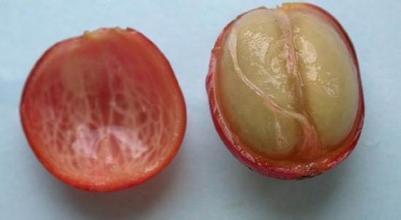
Coffee tree coffee flower coffee mature coffee spice
Coffee tree, a perennial evergreen shrub or small tree of Rubiaceae, is a horticultural perennial cash crop with the characteristics of fast growth, high yield, high value and wide market. Wild coffee trees can grow to a height of 5 to 10 meters, but coffee trees planted on the manor are often cut to less than 2 meters in order to increase their fruit and facilitate harvesting. The opposite leaves of coffee trees show

Fine Coffee knowledge of planting and picking Coffee trees
One of the characteristics of a coffee tree is that its fruit can bear fruit several times a year, and another is that flowers and fruits coexist at different stages of ripening. If the fruit is too ripe, the beans in it will rot. If the beans are not ripe, the beans will not ripen by themselves. So bean pickers often go through the same tree several times to find ripe fruit, but try their best.

Correctly planting Coffee Tree Coffee Tree growth process Map
One of the characteristics of a coffee tree is that its fruit can bear fruit several times a year, and another is that flowers and fruits coexist at different stages of ripening. If the fruit is too ripe, the beans in it will rot. If the beans are not ripe, the beans will not ripen by themselves. So bean pickers often go through the same tree several times to find ripe fruit, but try their best.

A brief introduction to the flavor, taste and aroma characteristics of Katim's boutique coffee beans.
Catimor: in 1959, the Portuguese mixed Brazilian Kaddura and Timo to develop a disease-resistant Katim / Katimo, which is now an important variety of commercial beans. Yunnan small grain coffee is a 3-year-old 4-year-old fruiting tree. Coffee is a short-day plant. Coffee has the characteristics of multiple flowering and concentrated florescence. Small seed coffee florescence in Yunnan from February to July

Introduction to the main producing areas and species of coffee beans in St. Augustine Manor, Colombia
Introduction to the main producing areas and types of coffee beans in St. Augustine Manor in Colombia the varieties of Colombian coffee are mainly small grains. Plants are small trees or large shrubs, 5-8 m tall, usually much branched at base; old branches gray-white, nodes dilated, young branches glabrous, compressed. Leaves thinly leathery, ovate-lanceolate or lanceolate, 6-14 cm long and 3.5-5 cm wide, tip long acuminate, acuminate

Introduction to the description of the taste of Columbia Nana Linglong Coffee produced by Variety treatment method
Columbia Linglong Coffee Flavor characteristics Variety treatment method to describe the taste of Colombian coffee is mainly small-grain coffee. Plants are small trees or large shrubs, 5-8 m tall, usually much branched at base; old branches gray-white, nodes dilated, young branches glabrous, compressed. Leaves thinly leathery, ovate-lanceolate or lanceolate, 6-14 cm long, 3.5-5 cm wide, tip long acuminate

The correct way to plant coffee trees how to raise coffee trees
One of the characteristics of a coffee tree is that its fruit can bear fruit several times a year, and another is that flowers and fruits coexist at different stages of ripening. If the fruit is too ripe, the beans in it will rot. If the beans are not ripe, the beans will not ripen by themselves. So bean pickers often go through the same tree several times to find ripe fruit, but try their best.